3
Five Nights at Epstein’s is one of those games that grabs you right away and doesn’t let go. Developed by EvanProductions and built for browsers using HTML5, it’s a fast-paced mix of surveillance horror and strategy. From the moment I started playing, I felt that constant pressure—watching cameras, juggling limited resources, and just trying to stay alive long enough for rescue to finally arrive.
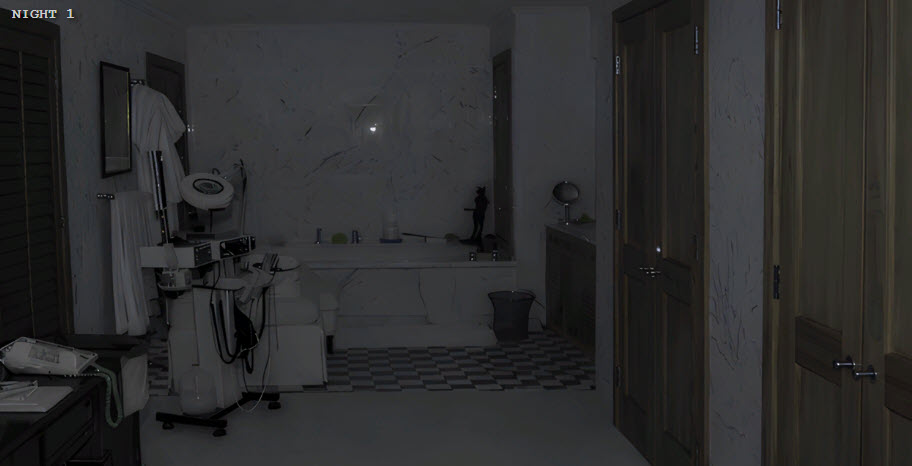
What really stands out is how much the game pushes you to multitask. You’re constantly flipping through camera feeds, trying to keep track of where everything is moving. At the same time, you’re triggering sound decoys to distract certain enemies and managing the ventilation system—which, honestly, feels like your lifeline.
The controls are super simple—just clicking or tapping—but the experience is anything but. I found that even a split-second hesitation could ruin everything. It’s that contrast that makes the game so intense: easy to play, but stressful in the best way.
The goal sounds simple: survive until rescue. In reality, it’s anything but easy. You have to start recognising patterns—how enemies move, where they’re likely to go, and when to act. Timing is everything, especially when they start getting close to entry points like vents or windows.
What makes it harder is that every action comes with a cost. Overusing sound decoys can mess up your system, and if you keep vents closed too long, your oxygen drops. I learned pretty quickly that it’s all about balance. You’re constantly making trade-offs while everything is happening at once.
From my experience, success really comes down to awareness and knowing what matters most in the moment. If you deal with threats early, things don’t spiral out of control as quickly. But not every enemy reacts the same way—some ignore sound completely, which forces you to change your approach on the fly.
Ventilation is another big one. I made the mistake of overusing it at first, thinking I was playing it safe, but it actually created more problems. When things get chaotic—and they will—the best move is usually to focus on the most immediate danger instead of trying to fix everything at once.
The more I played, the more I noticed my reflexes improving. Switching cameras became second nature, and I got faster at reacting under pressure. It’s one of those games where you really feel your progress.
It rewards familiarity and quick thinking, but also staying calm when everything is going wrong. Every session feels intense, and that’s what kept me coming back—it’s challenging, but in a way that makes you want to improve.
Mouse: Click to switch between cameras and interact with buttons.
Left click: Activate audio lures, open/close vents, restart systems.
No keyboard needed (though some versions might include shortcuts).
Keep your mouse moving—speed matters more than perfect accuracy.
Stick to a consistent camera-check routine, so you don’t miss anything.
Don’t just spam clicks; every move has a consequence.
When things get overwhelming, focus on the biggest threat right in front of you.