2
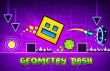
Geometry Dash has been one of those games I keep coming back to, even years after first trying it. Developed by Robert Topala and released by RobTop Games back in 2013, it looks simple at first glance—but once you actually play it, you realize how intense and addictive it really is. It’s a fast-paced, rhythm-based platformer that somehow turns frustration into motivation, and that’s a big part of why it has such a huge global following.
At its core, Geometry Dash is all about timing, precision, and a lot of memorization. You control a small geometric icon—usually a cube—that moves forward automatically. All you really do is tap or click to jump, but don’t let that simplicity fool you. The levels are packed with spikes, tight gaps, and moving obstacles that demand almost perfect timing.
What really hooked me personally is how everything syncs with the music. Each level feels like you’re playing through a song rather than just a stage. After a while, you stop reacting and start feeling the rhythm, almost like muscle memory takes over. It’s incredibly satisfying when you finally nail a section you’ve failed dozens of times.
You only need one control—tap to jump or fly—but mastering the timing is a whole different story.
Every level is built around music. Your movements line up with the beat, which makes the experience feel smooth and immersive.
There’s something for everyone, from beginner-friendly stages to insanely hard “Demon” levels that can take hours (or days) to complete.
This mode honestly saved me. Being able to place checkpoints makes it much easier to learn tricky parts without restarting from the beginning every time.
The built-in editor is surprisingly powerful. You can create your own levels with custom designs, effects, and mechanics.
This is where the game really shines. The community has created millions of levels, so you never run out of things to play.
Unlocking new icons, colors, and effects gives the game a personal touch. I always enjoyed tweaking my character after unlocking something new.
Different forms—like ships, waves, and robots—change how you interact with the level, which keeps things fresh.
Completing challenges gives you cosmetic rewards, which adds an extra layer of motivation.
You can play most of the official content without internet, which makes it perfect for killing time anywhere.
Over the years, updates have added new features and mechanics, keeping the game from feeling outdated.
Because of all this, Geometry Dash is one of those rare games that’s easy to pick up but incredibly hard to master. Even now, there’s always something new to try or improve on.
If I had to point to one thing that keeps the game alive, it’s definitely the level editor. Players aren’t just playing the game—they’re constantly expanding it. Some custom levels are simple and fun, while others are so complex they feel like full-on artistic projects. It’s honestly impressive how creative the community can be.
I’ve spent hours just browsing and trying different user-created levels, and it never really gets old. That constant stream of new content is a big reason why the game is still relevant after so many years.
The full version is paid, but there are free versions like Geometry Dash Lite and Geometry Dash SubZero with limited content.
Because it’s all about precision and memorization. You’ll fail a lot at first, but that repetition is actually part of how you improve.
Yes, most official levels work offline. You’ll need internet access for custom levels.
They’re the hardest levels in the game, ranging from Easy Demon all the way up to Extreme Demon. These require great skill and patience.
Yes, and it’s one of the best features. The editor lets you build and share your own designs.
Not directly, but you can compete through leaderboards and by sharing levels with others.
You can play it on iOS, Android, and PC (via Steam).
Yes, but be prepared—it can get frustrating. Starting with easier levels and using Practice Mode really helps.
Overall, Geometry Dash is one of those games that tests your patience but rewards your persistence. It’s tough, sometimes even rage-inducing, but that feeling when you finally beat a level you’ve been stuck on? Totally worth it.