0
Flappy Bird is one of those games that looks ridiculously simple at first—but the moment you start playing, it pulls you in. It’s all about quick taps, awkward little mistakes, and that oddly satisfying rush when you squeeze through a pipe you were sure you’d miss. Every run feels different, and before you know it, you’re telling yourself, “Just one more try.” That’s the magic of it—it’s easy to pick up, but way harder than it looks. The bright, playful design and super simple controls make it feel casual, but the challenge keeps you hooked.
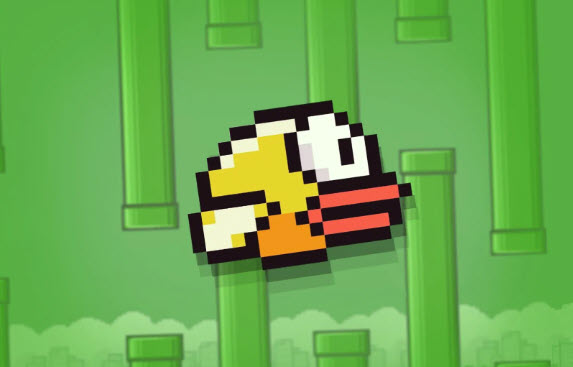
Flappy Bird is a minimalist arcade game created by Vietnamese developer Dong Nguyen, released back in 2013. The concept couldn’t be simpler: you tap the screen to keep a tiny bird in the air while guiding it through a series of pipes without crashing.
I remember the first time I played it—I thought it’d be a breeze. It wasn’t. The timing is unforgiving, and even a tiny mistake ends your run instantly. Still, that’s exactly what made it blow up worldwide. The retro pixel style, combined with the instant “restart and go again” loop, made it perfect for mobile gaming. Even after it disappeared from app stores, people kept playing it and recreating it—it really left a mark.
Tap the Spacebar or click your mouse to make the bird flap upward.
If you do nothing, the bird drops straight down thanks to gravity.
Getting better at Flappy Bird takes some patience—and honestly, a bit of stubbornness. Here are a few things that helped me improve:
Most of my crashes happened when I started tapping like crazy. The trick is to stay relaxed and keep your inputs controlled.
It sounds counterintuitive, but don’t stare at the bird the whole time. Look ahead at the space between the pipes—that’s where you need to be.
Once you find a rhythm that works, stick with it. Random tapping just throws everything off.
Gentle taps give you way more control. Big, frantic taps usually send the bird flying too high, and that’s game over.
Keeping the bird around the center of the screen gives you more room to adjust, which can save you in tight spots.
Each run is over in seconds, so every mistake is basically instant feedback. Pay attention—you’ll improve faster than you think.
Trust me, this game can get frustrating fast. Taking breaks actually helps. I’ve had my best runs after stepping away for a bit.
The original version was removed from app stores in 2014. That said, you can still find browser versions and unofficial copies online.
Because it demands near-perfect timing. The controls are simple, but the margin for error is tiny—one wrong tap, and it’s over.
Just get as far as you can. Every pipe you pass adds to your score, so it’s all about beating your personal best.
Yeah, it’s simple and colorful, so it’s easy to understand. But it can be frustrating, so it’s probably best played in short bursts rather than long sessions.